

19 products
-
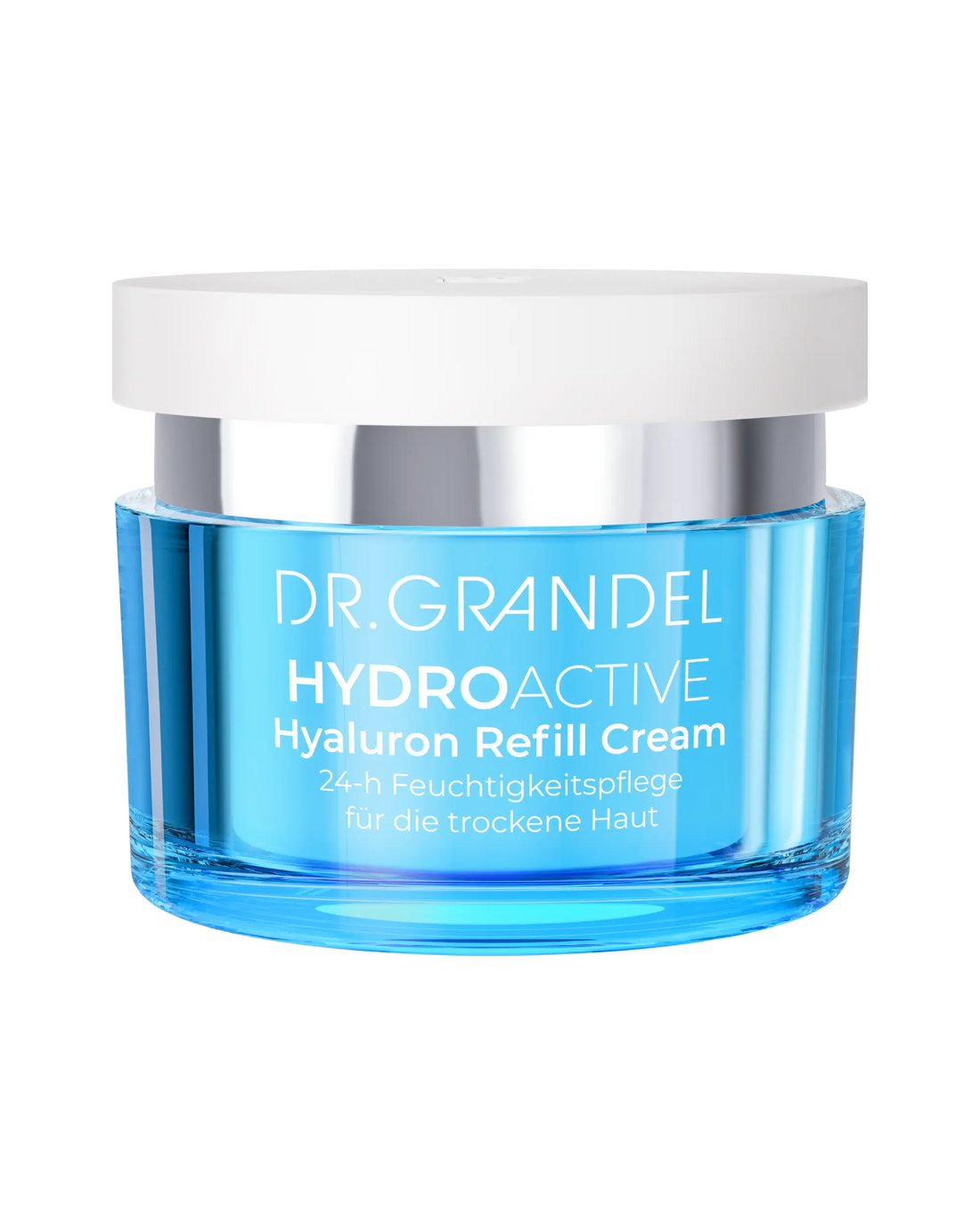 DR. GRANDEL moisturizing cream for dry skin HYDRO ACTIVE HYALURON REFILL CREAM, 50 mlDR. GRANDEL moisturizing cream for dry skin HYDRO ACTIVE HYALURON REFILL CREAM, 50 ml
- Regular price
-
€39,90 - Regular price
-
- Sale price
-
€39,90
Quick view
-
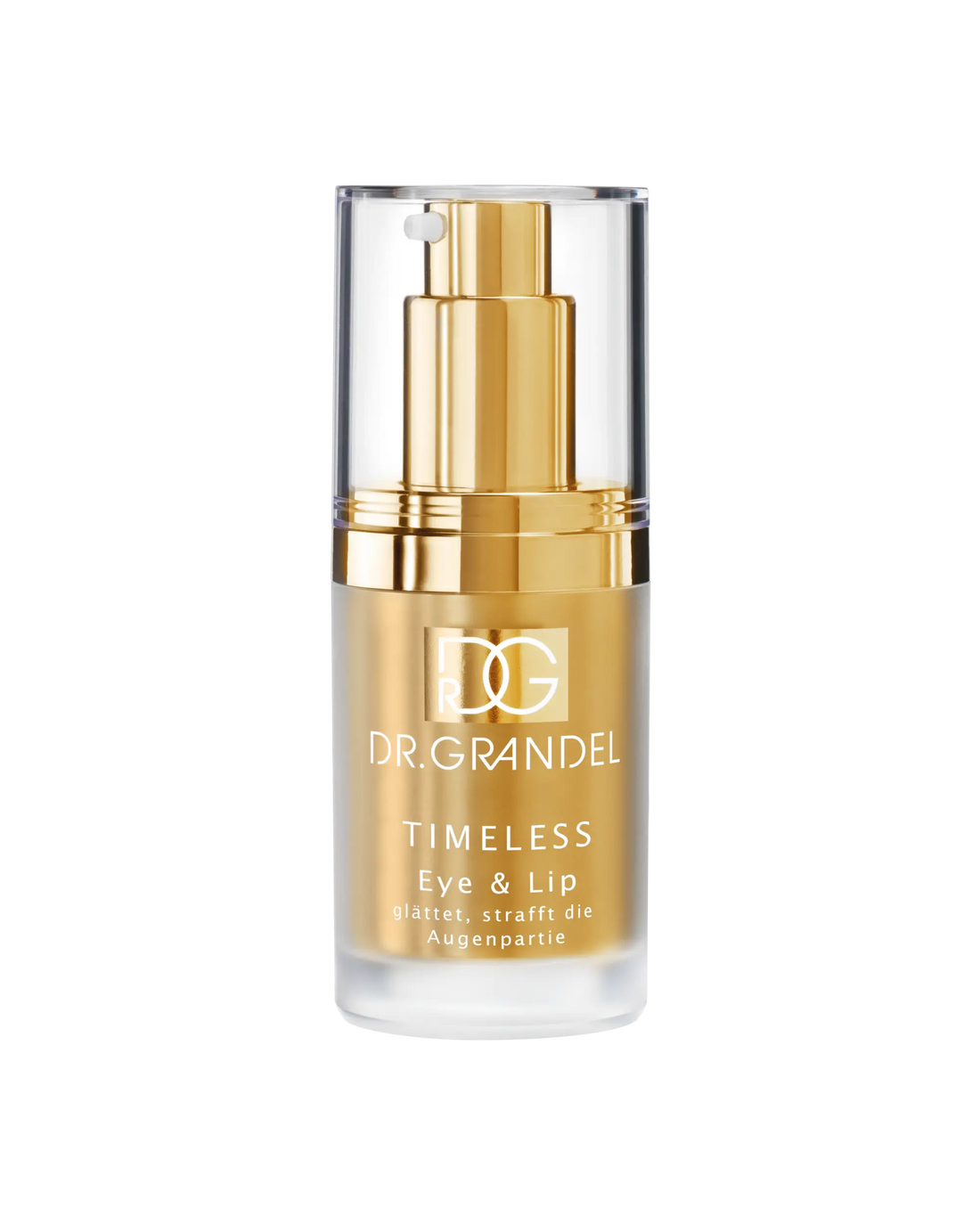 DR. GRANDEL TIMELESS EYE & LIP FIRMER, 15 mlDR. GRANDEL TIMELESS EYE & LIP FIRMER, 15 ml
- Regular price
-
€45,90 - Regular price
-
- Sale price
-
€45,90
Quick view
-
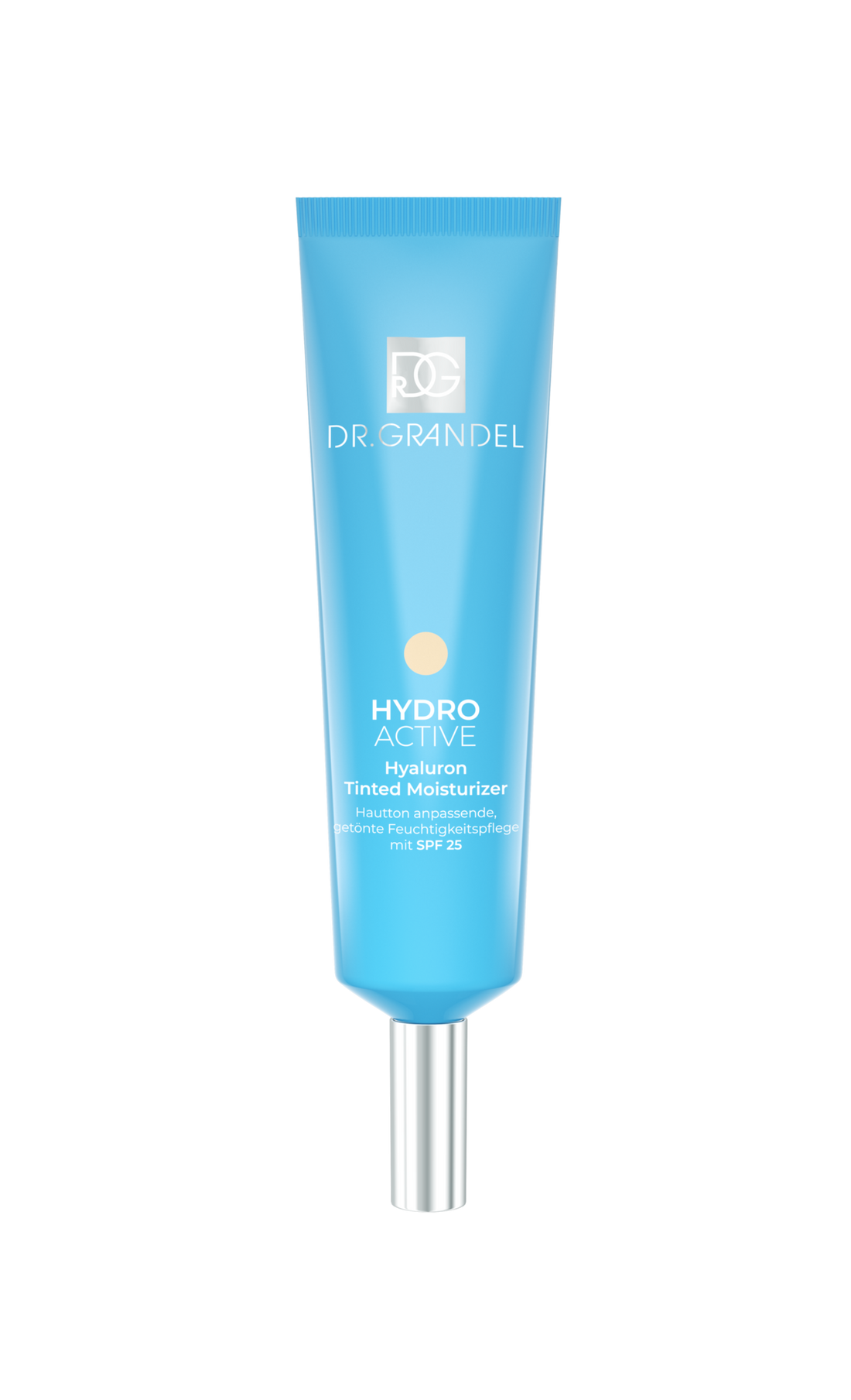 DR. GRANDEL HYDRO ACTIVE HYALURON TINTED MOISTURIZER SPF25, 30 mlDR. GRANDEL HYDRO ACTIVE HYALURON TINTED MOISTURIZER SPF25, 30 ml
- Regular price
-
€25,90 - Regular price
-
- Sale price
-
€25,90
Quick view
-
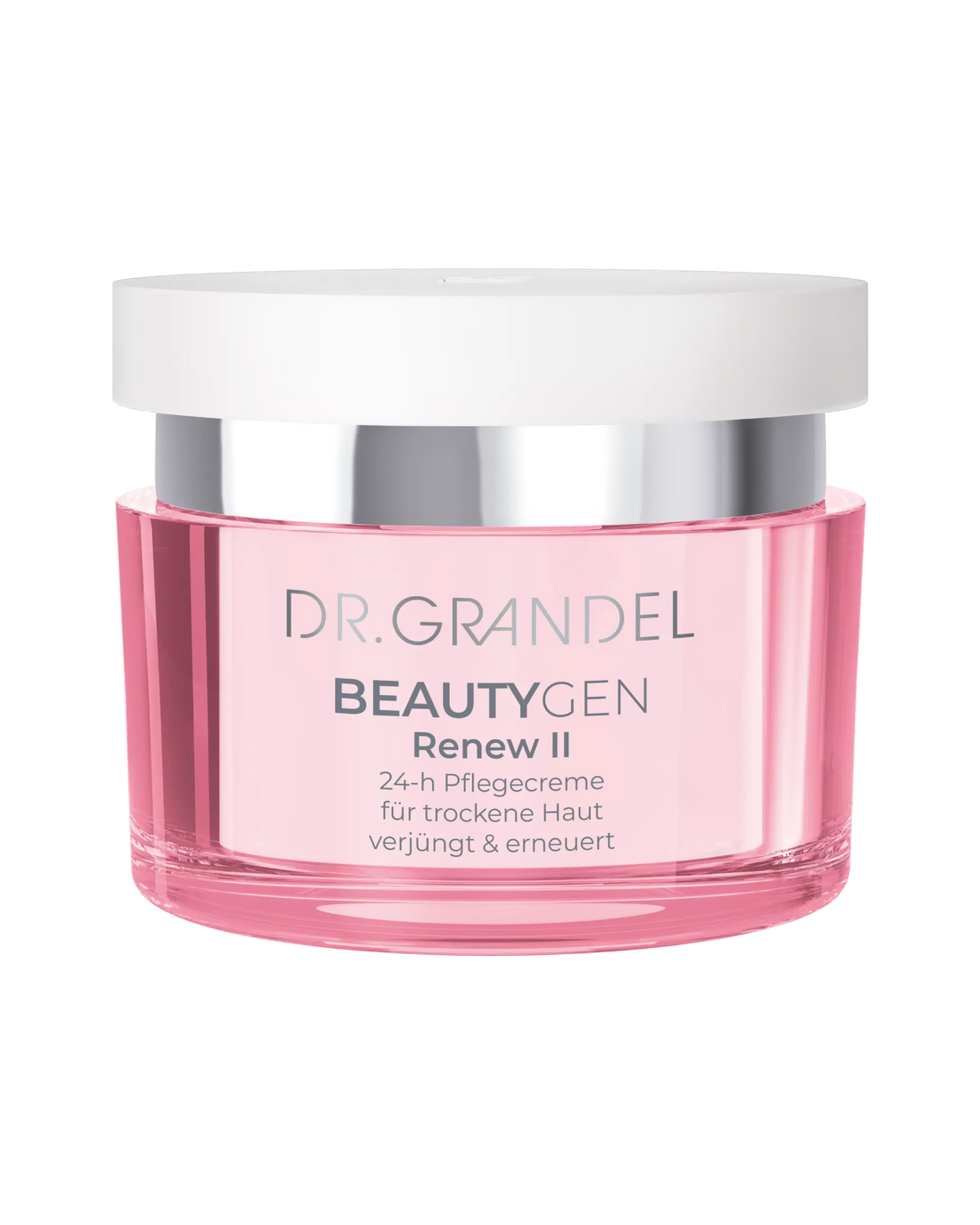 DR. GRANDEL Face Cream For Dry Skin BEAUTYGEN RENEW II - VELVET TOUCH, 50 mlDR. GRANDEL Face Cream For Dry Skin BEAUTYGEN RENEW II - VELVET TOUCH, 50 ml
- Regular price
-
€64,90 - Regular price
-
- Sale price
-
€64,90
Quick view
-
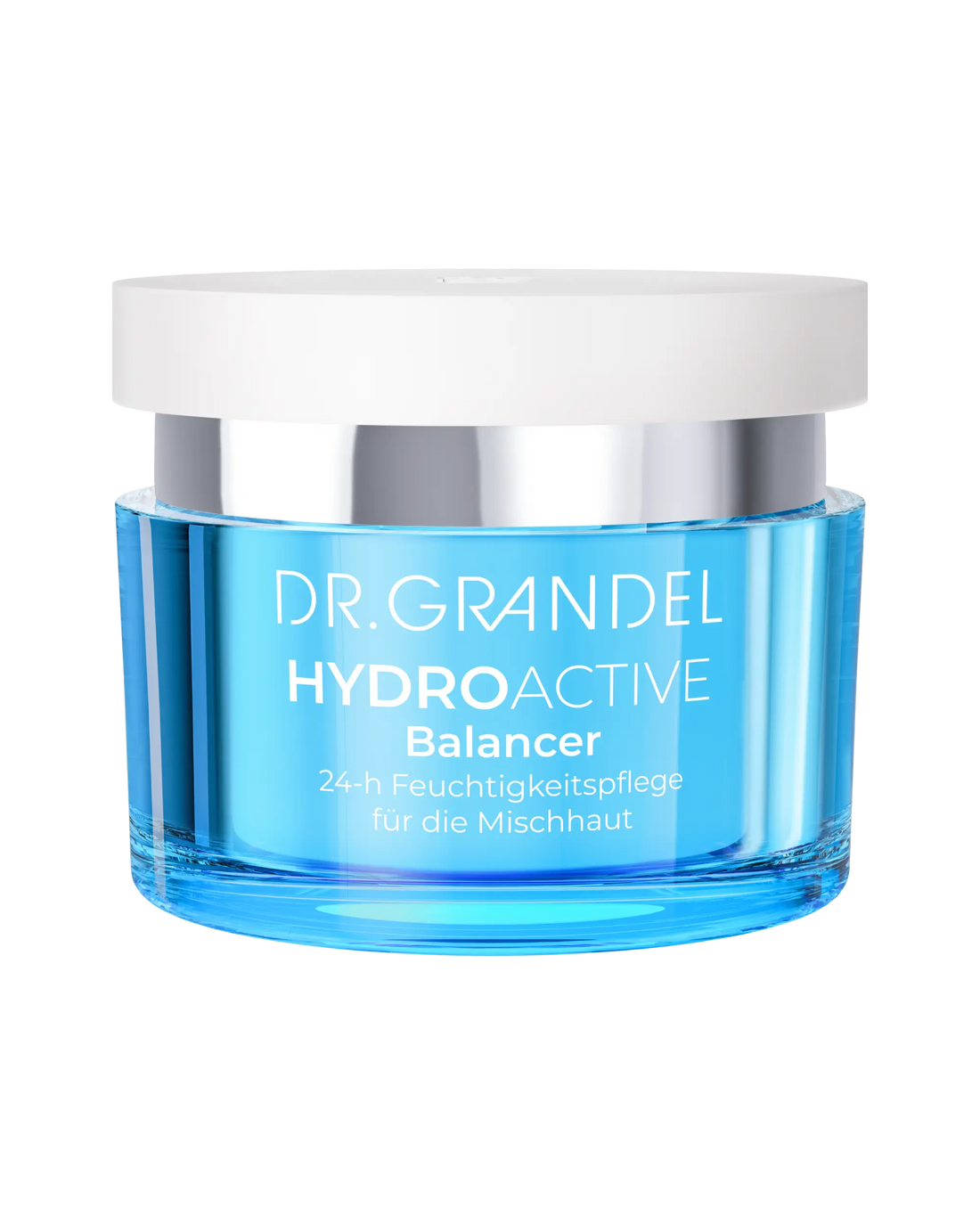 DR. GRANDEL balancing moisturizing cream for combination, oily skin HYDRO ACTIVE BALANCER, 50 mlDR. GRANDEL balancing moisturizing cream for combination, oily skin HYDRO ACTIVE BALANCER, 50 ml
- Regular price
-
€35,90 - Regular price
-
- Sale price
-
€35,90
Quick view
-
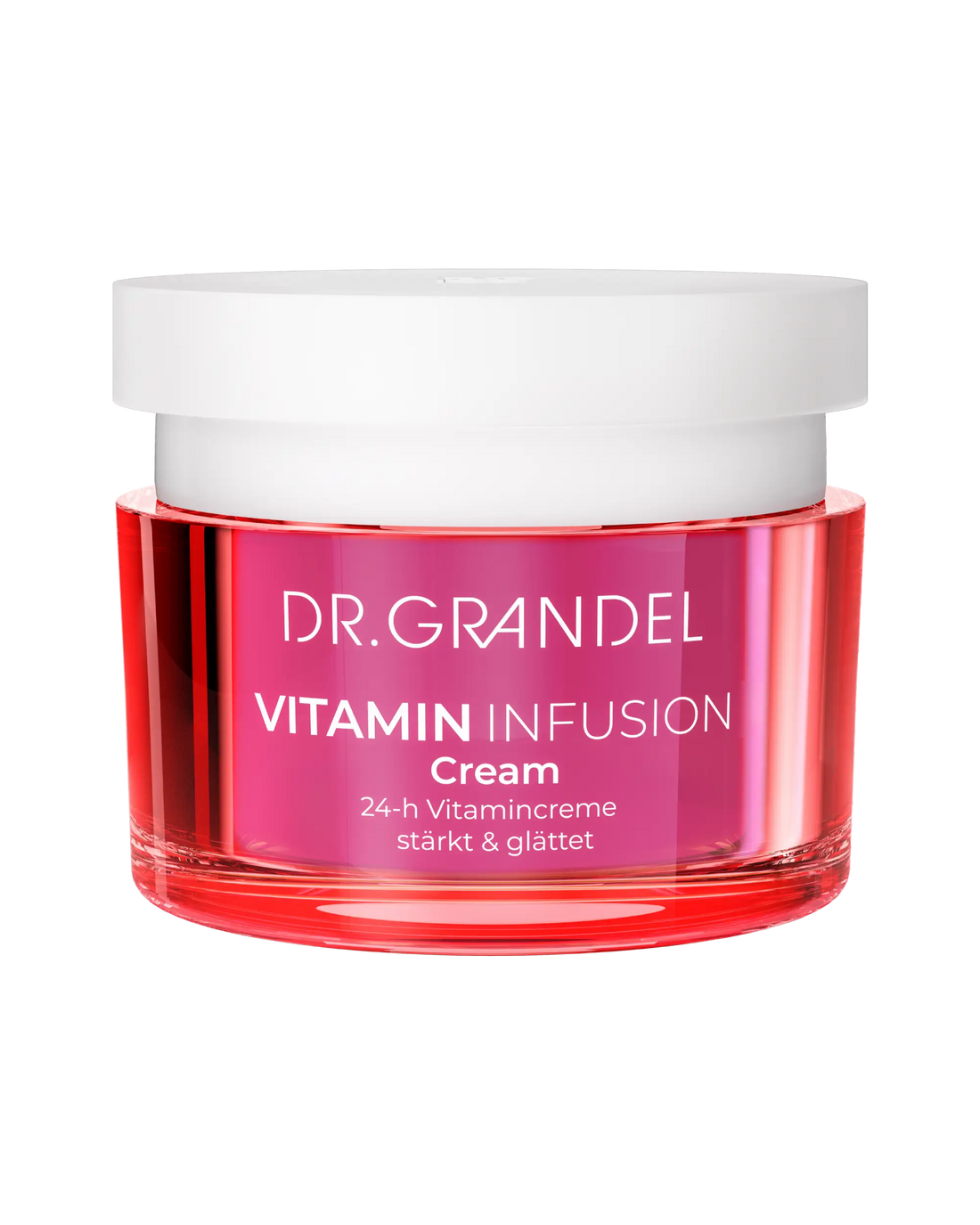 DR. GRANDEL vitamin nourishing face cream VITAMIN INFUSION CREAM, 50 mlDR. GRANDEL vitamin nourishing face cream VITAMIN INFUSION CREAM, 50 ml
- Regular price
-
€49,90 - Regular price
-
- Sale price
-
€49,90
Quick view
-
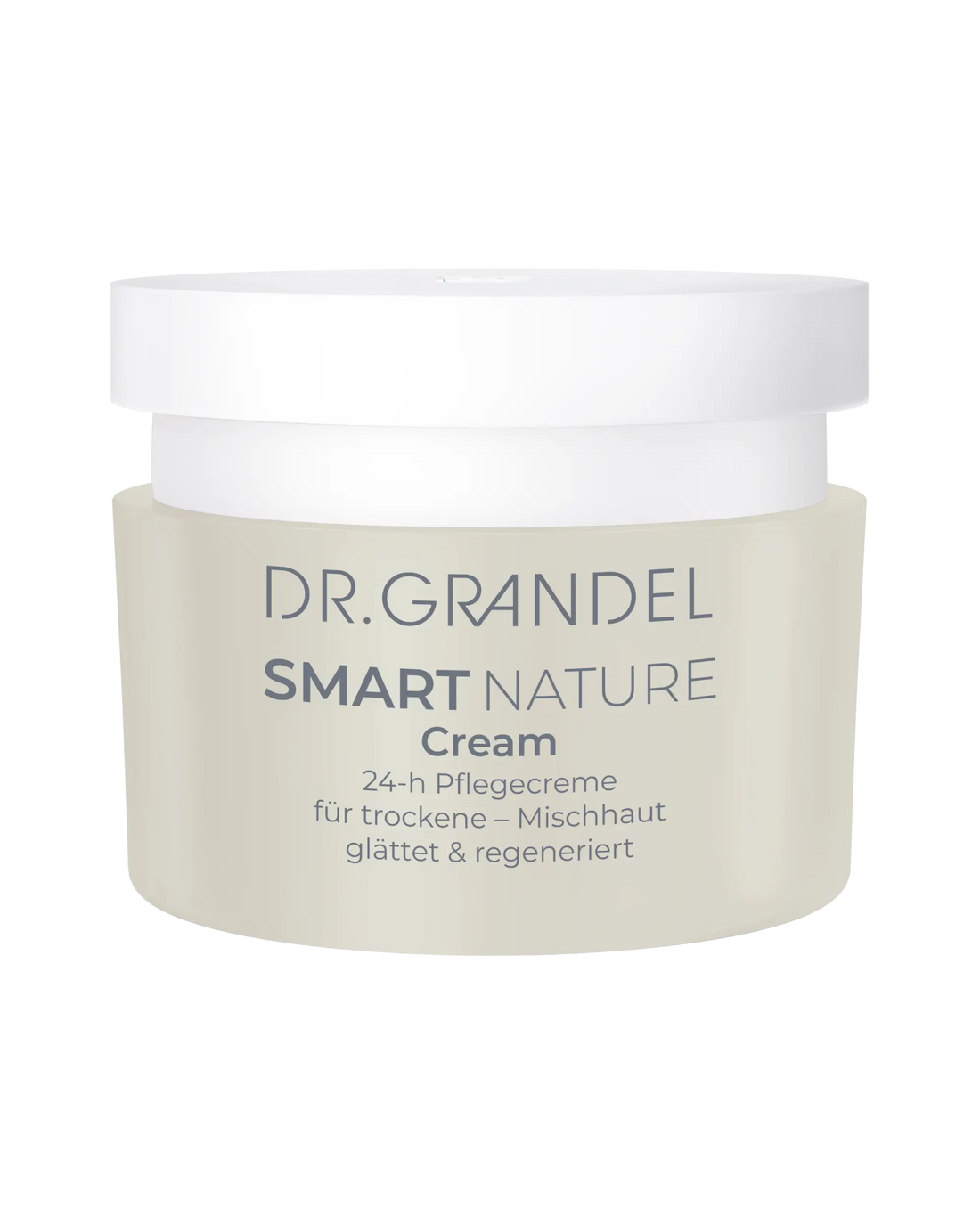 DR. GRANDEL smoothing and nourishing face cream SMART NATURE CREAM, 50 mlDR. GRANDEL smoothing and nourishing face cream SMART NATURE CREAM, 50 ml
- Regular price
-
€38,90 - Regular price
-
- Sale price
-
€38,90
Quick view
-
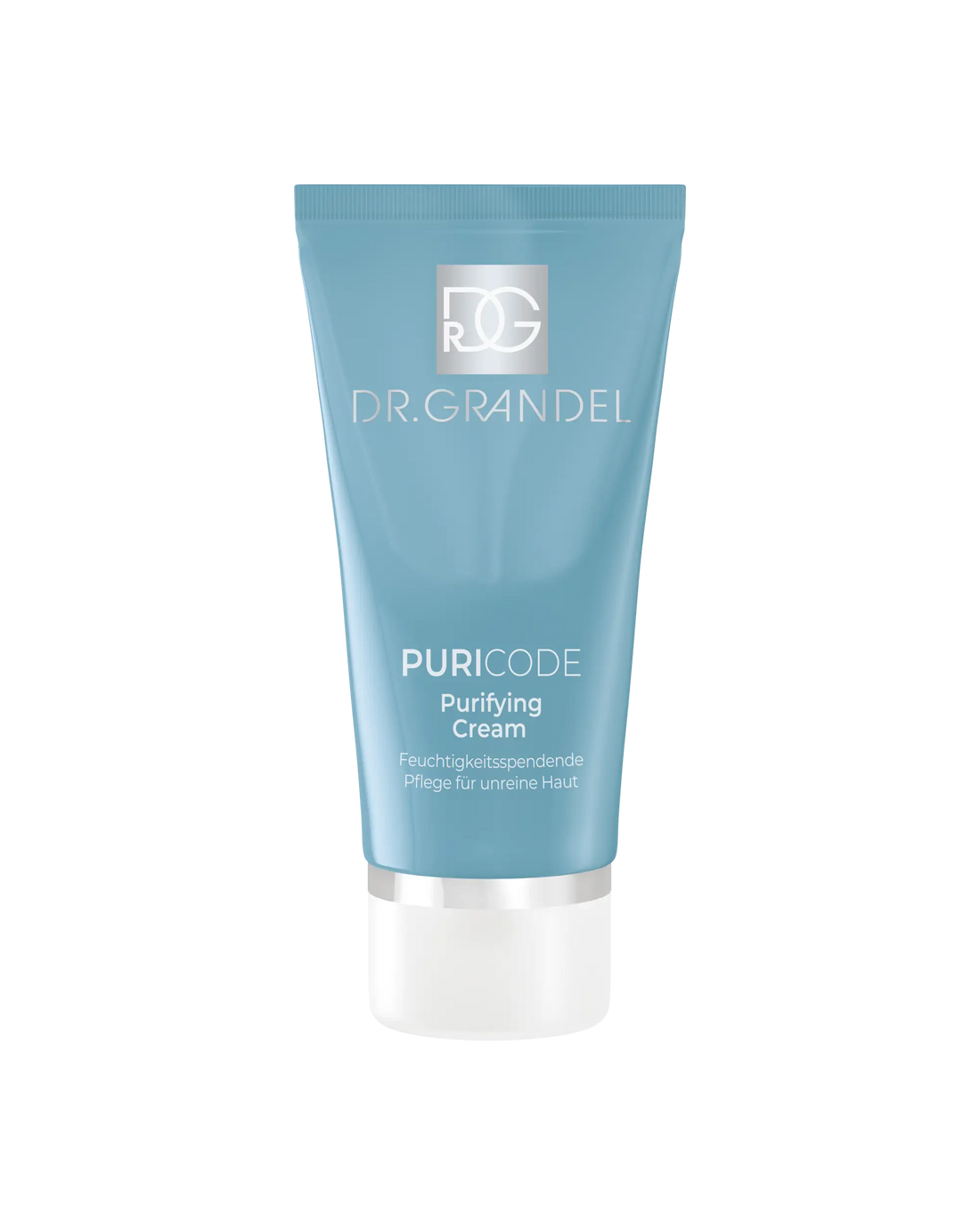 DR. GRANDEL cream for dry, acne-prone skin PURICODE PURIFYING CREAM, 50 mlDR. GRANDEL cream for dry, acne-prone skin PURICODE PURIFYING CREAM, 50 ml
- Regular price
-
€29,90 - Regular price
-
- Sale price
-
€29,90
Quick view
-
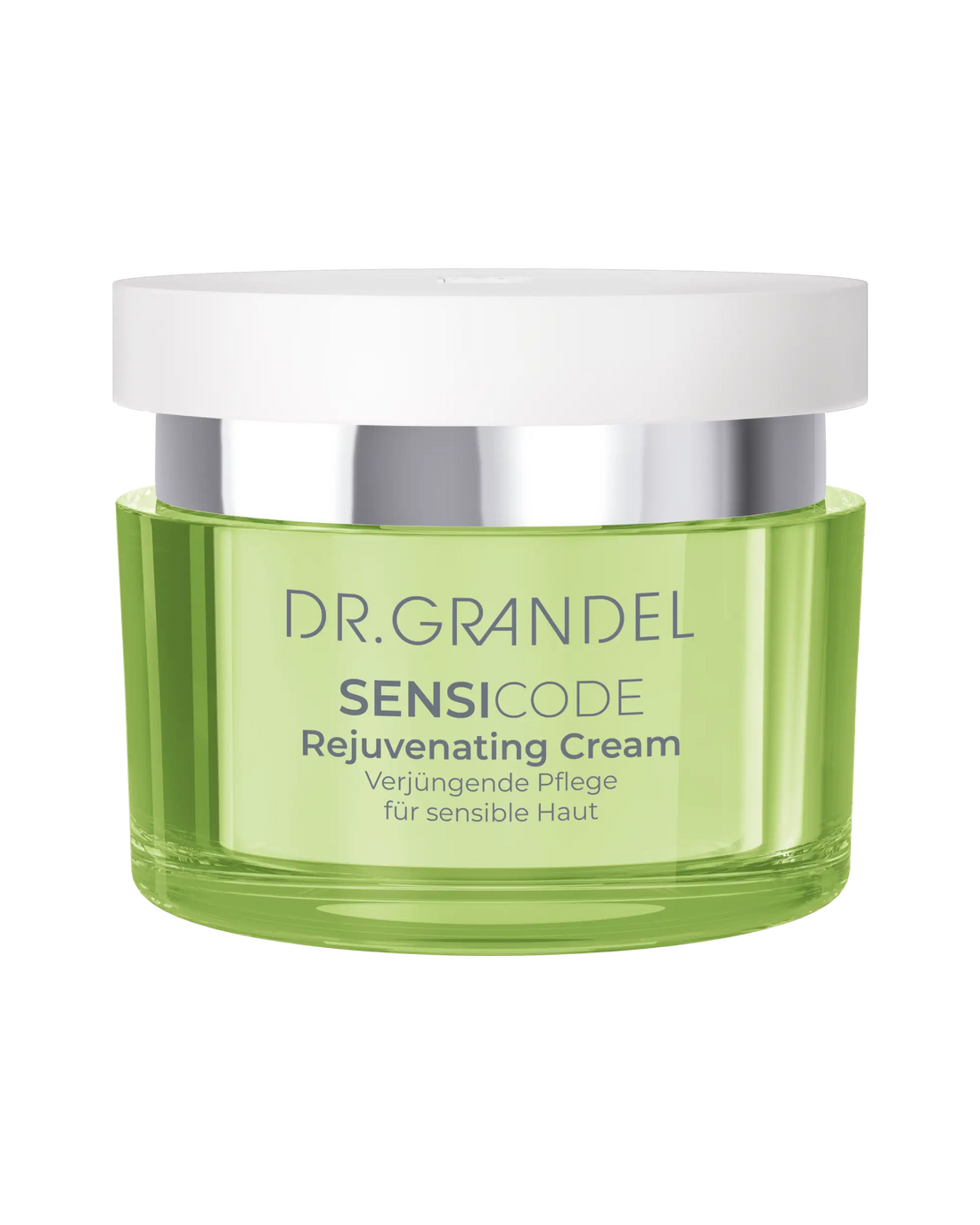 DR. GRANDEL cream for sensitive skin SENSICODE REJUVENATING CREAM, 50 mlDR. GRANDEL cream for sensitive skin SENSICODE REJUVENATING CREAM, 50 ml
- Regular price
-
€39,90 - Regular price
-
- Sale price
-
€39,90
Quick view
-
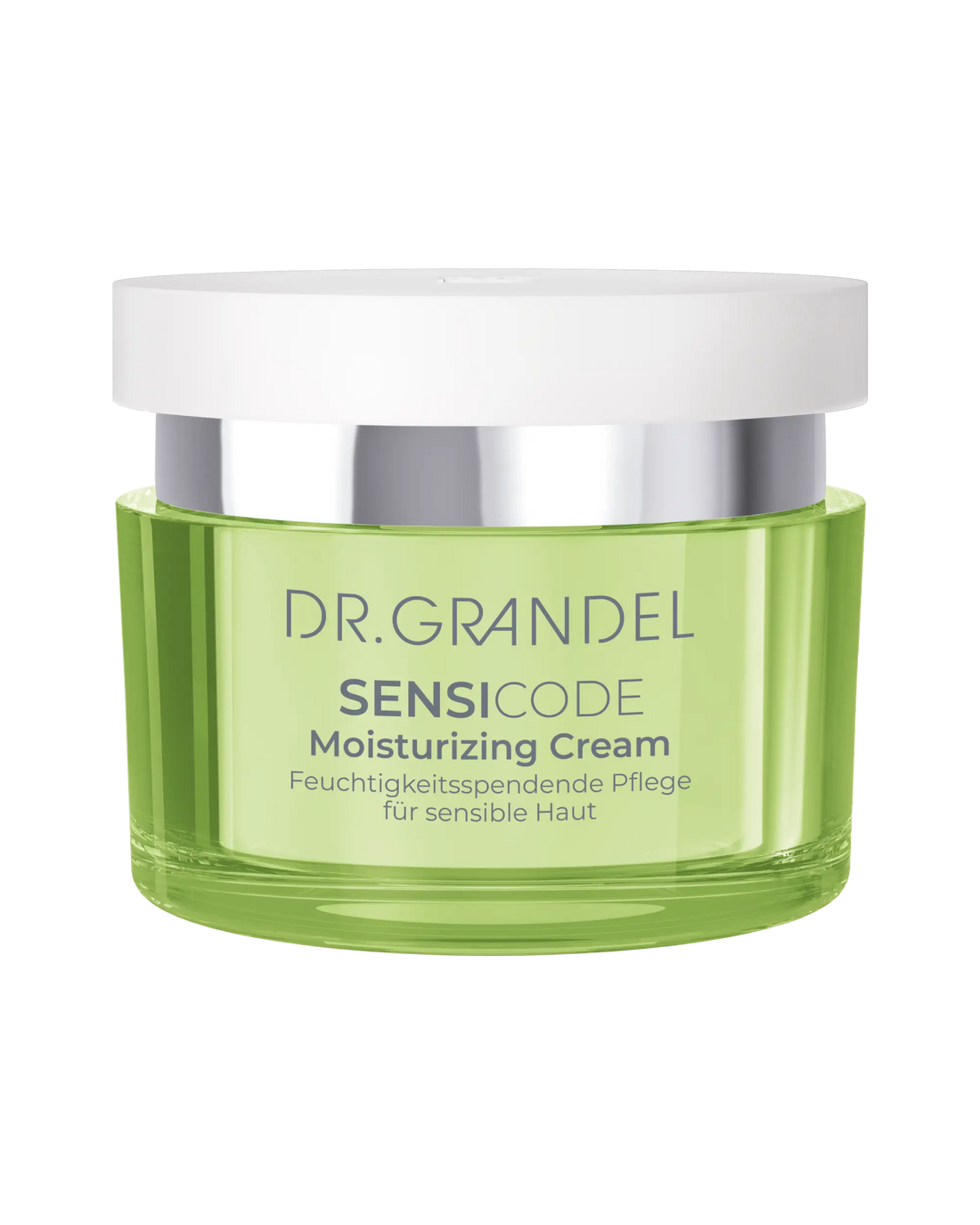 DR. GRANDEL moisturizing cream for sensitive skin SENSICODE MOISTURIZING CREAM, 50 mlDR. GRANDEL moisturizing cream for sensitive skin SENSICODE MOISTURIZING CREAM, 50 ml
- Regular price
-
€39,90 - Regular price
-
- Sale price
-
€39,90
Quick view
-
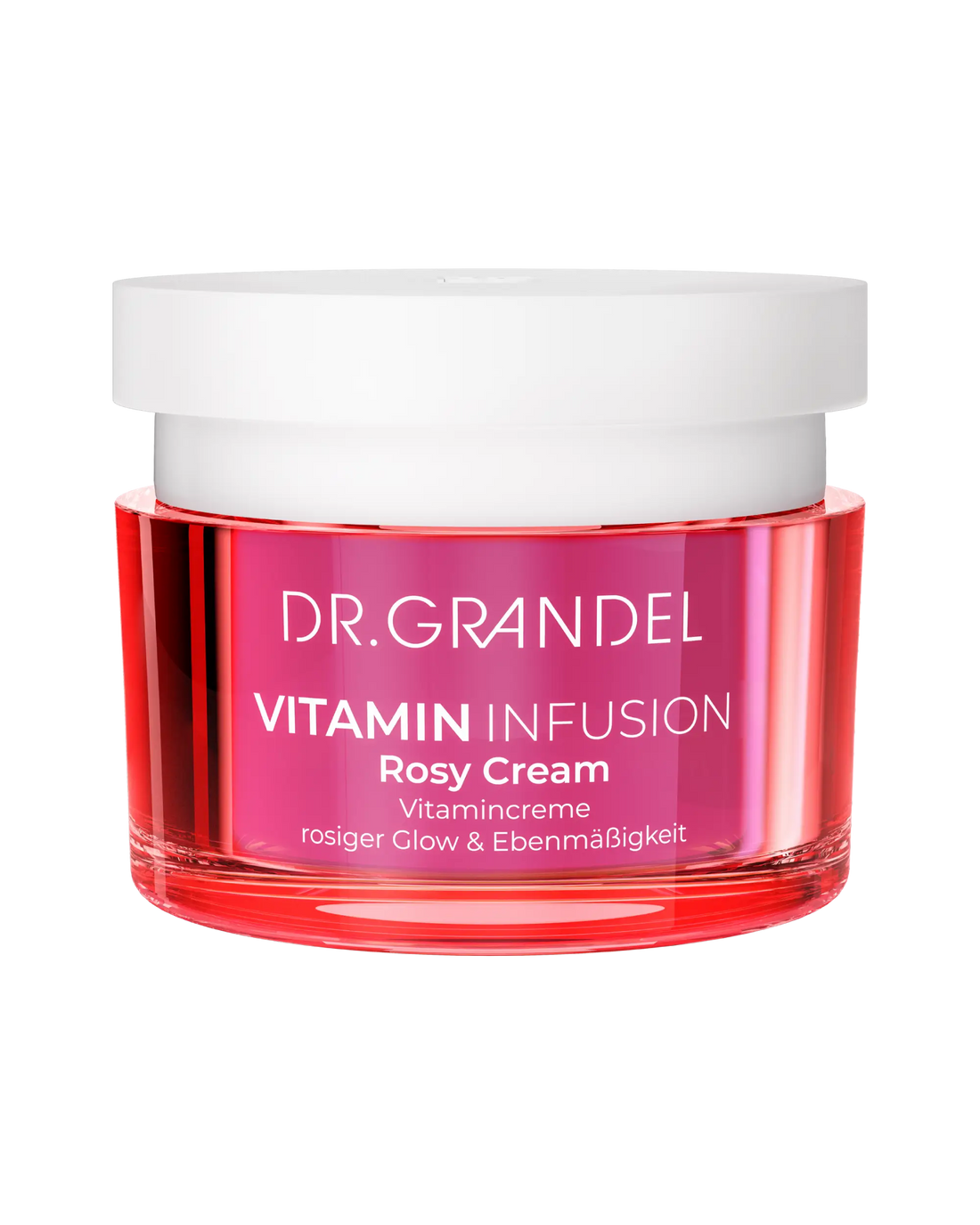 DR. GRANDEL vitamin nourishing face cream VITAMIN INFUSION ROSY CREAM, 50 mlDR. GRANDEL vitamin nourishing face cream VITAMIN INFUSION ROSY CREAM, 50 ml
- Regular price
-
€49,90 - Regular price
-
- Sale price
-
€49,90
Quick view
-
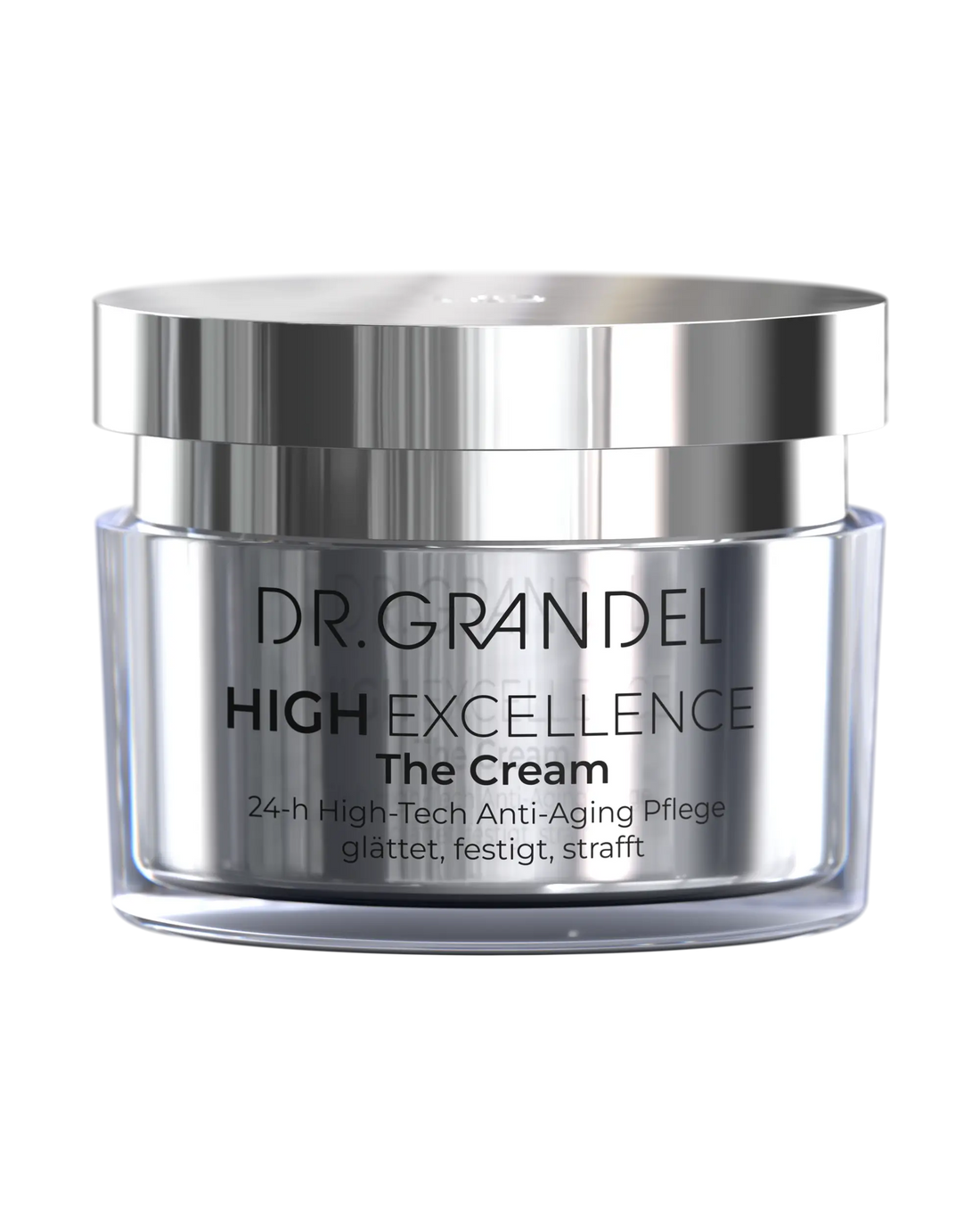 DR. GRANDEL face cream HIGH EXCELLENCE THE CREAM, 50 mlDR. GRANDEL face cream HIGH EXCELLENCE THE CREAM, 50 ml
- Regular price
-
€99,00 - Regular price
-
- Sale price
-
€99,00
Quick view
-
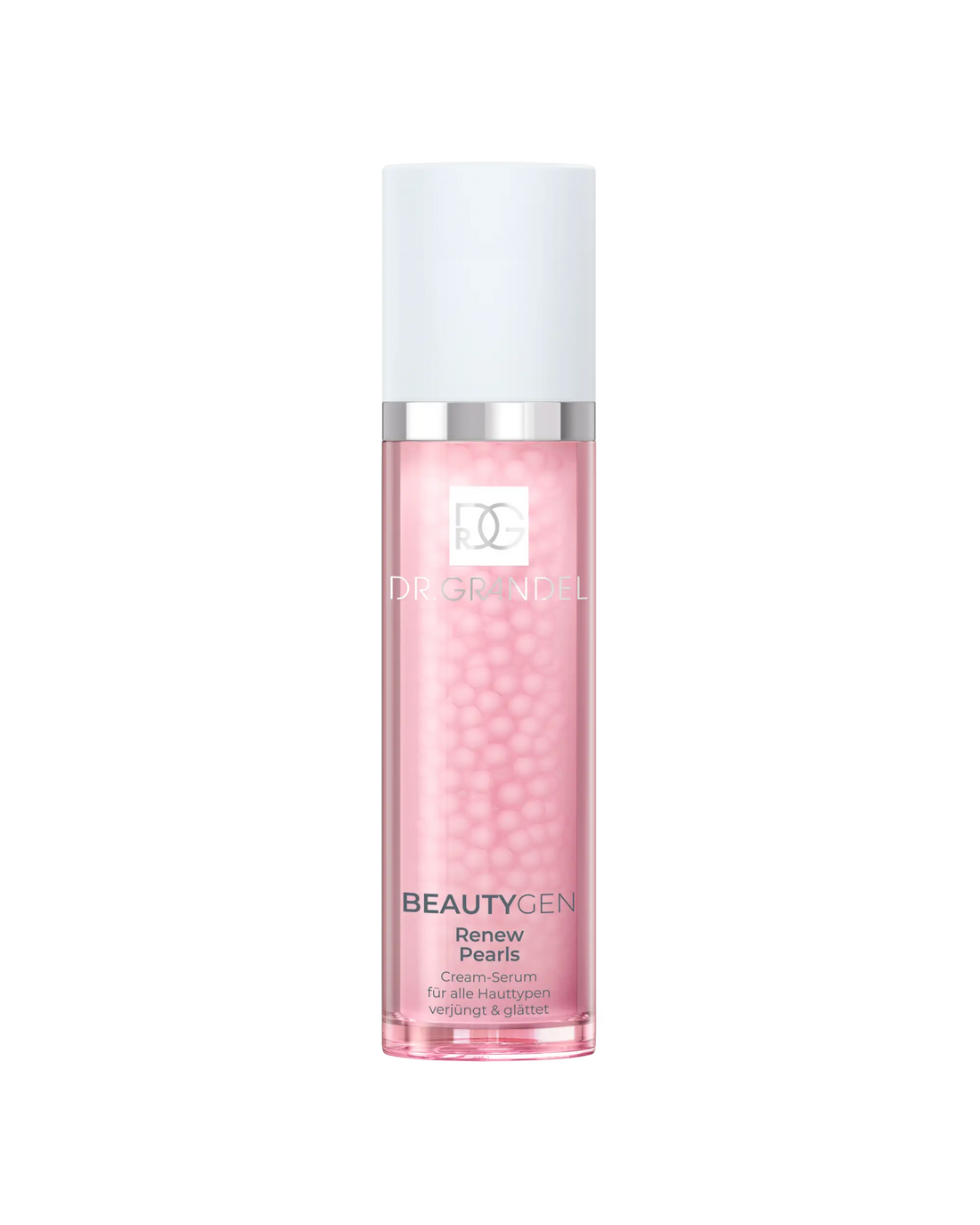 DR. GRANDEL face cream - serum BEAUTYGEN RENEW PEARLS, 50 mlDR. GRANDEL face cream - serum BEAUTYGEN RENEW PEARLS, 50 ml
- Regular price
-
€68,90 - Regular price
-
- Sale price
-
€68,90
Quick view
-
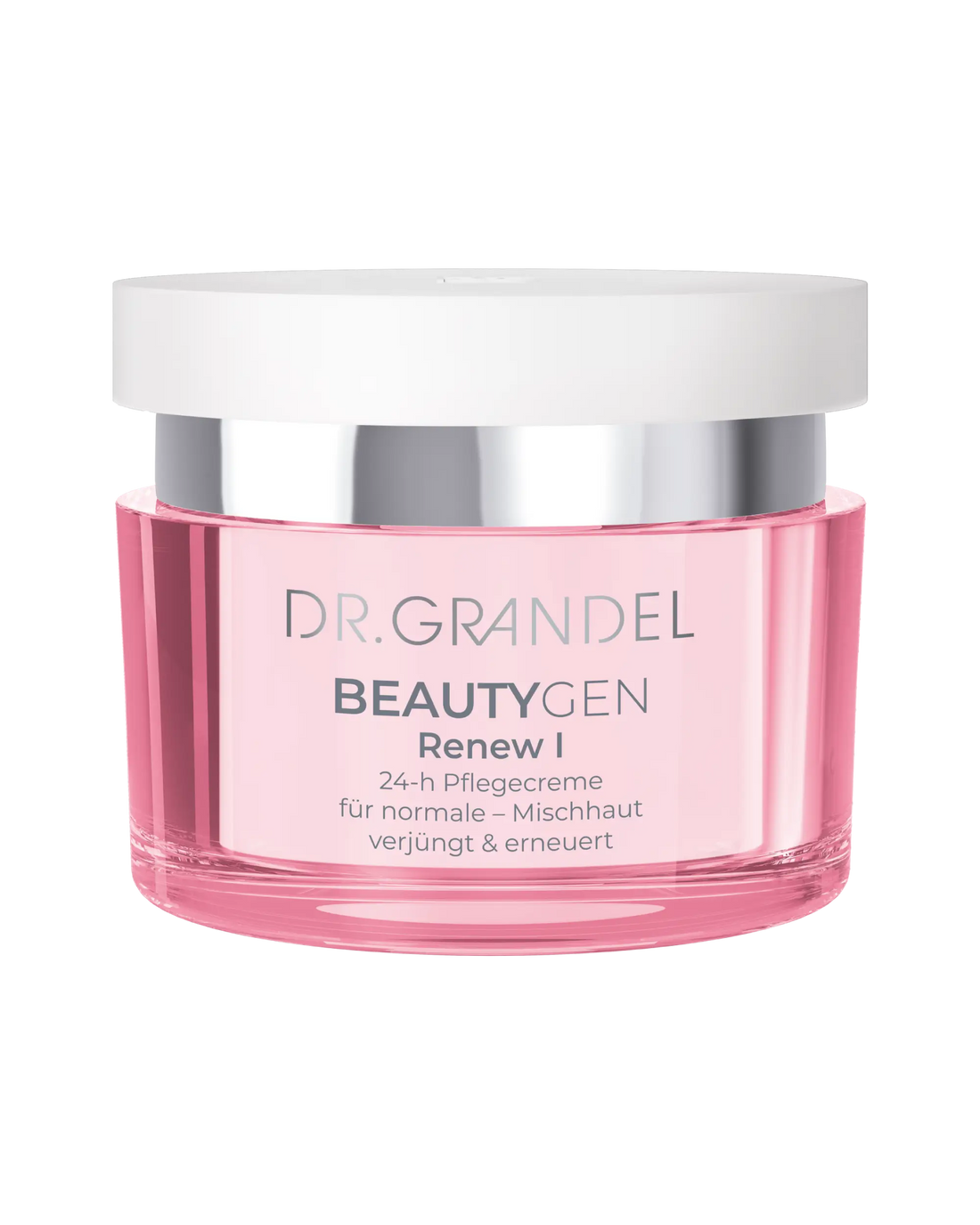 DR. GRANDEL face cream for combination, oily skin BEAUTYGEN RENEW I - SILKY TOUCH, 50 mlDR. GRANDEL face cream for combination, oily skin BEAUTYGEN RENEW I - SILKY TOUCH, 50 ml
- Regular price
-
€64,90 - Regular price
-
- Sale price
-
€64,90
Quick view
-
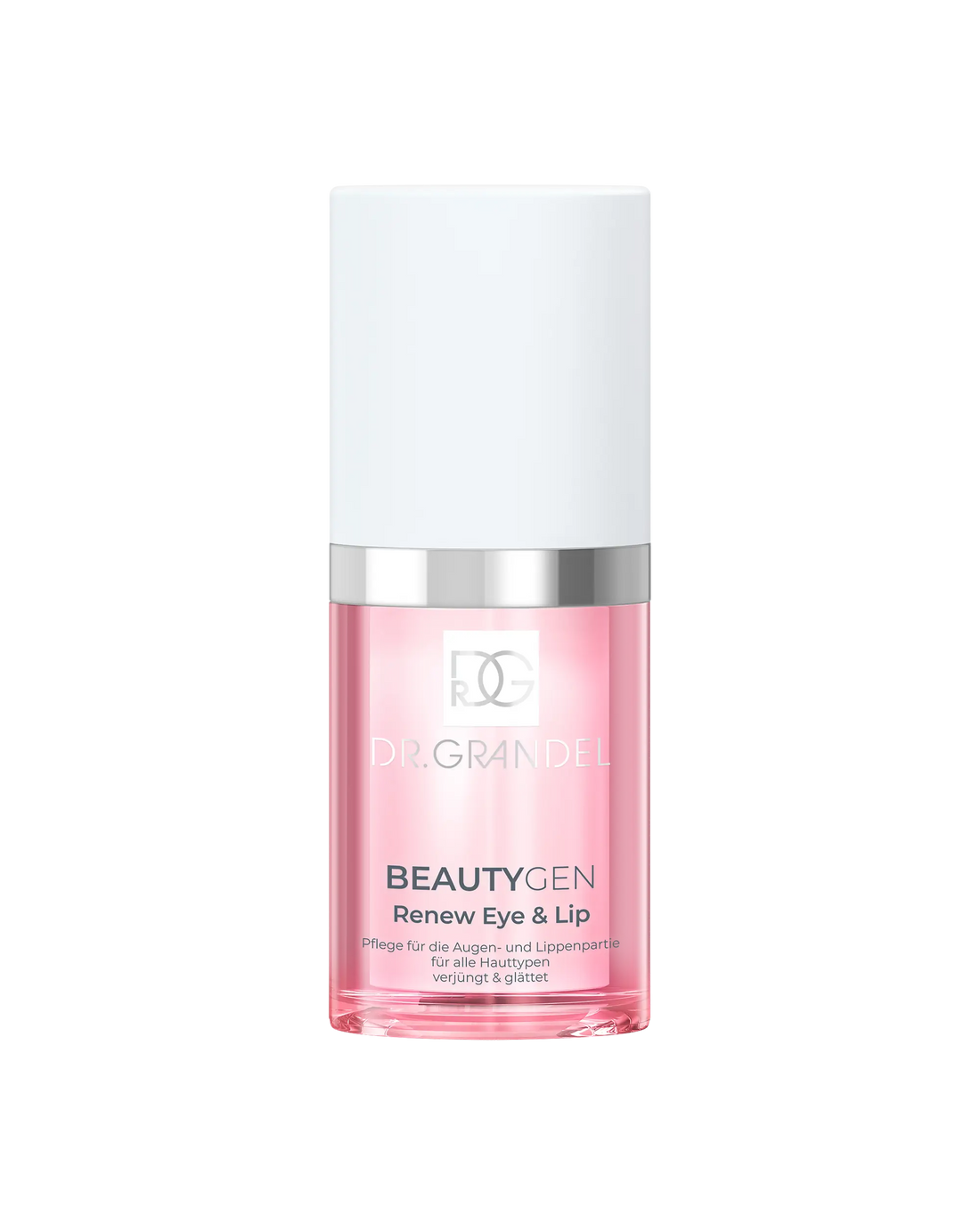 DR. GRANDEL eye and lip contour cream BEAUTYGEN RENEW EYE & LIP, 15 mlDR. GRANDEL eye and lip contour cream BEAUTYGEN RENEW EYE & LIP, 15 ml
- Regular price
-
€47,90 - Regular price
-
- Sale price
-
€47,90
Quick view
-
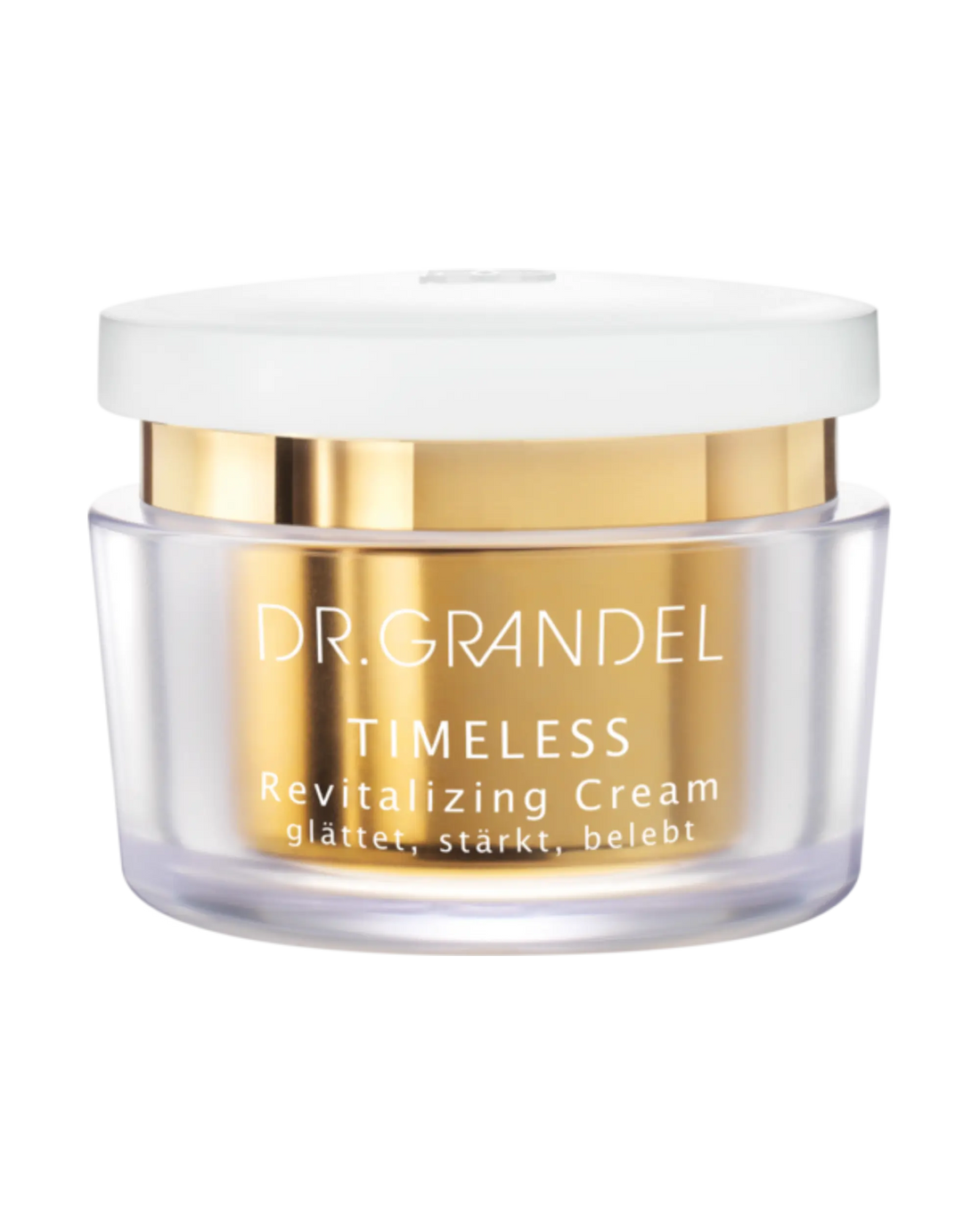 DR. GRANDEL TIMELESS REVITALIZING CREAM, 50 mlDR. GRANDEL TIMELESS REVITALIZING CREAM, 50 ml
- Regular price
-
€66,90 - Regular price
-
- Sale price
-
€66,90
Quick view
-
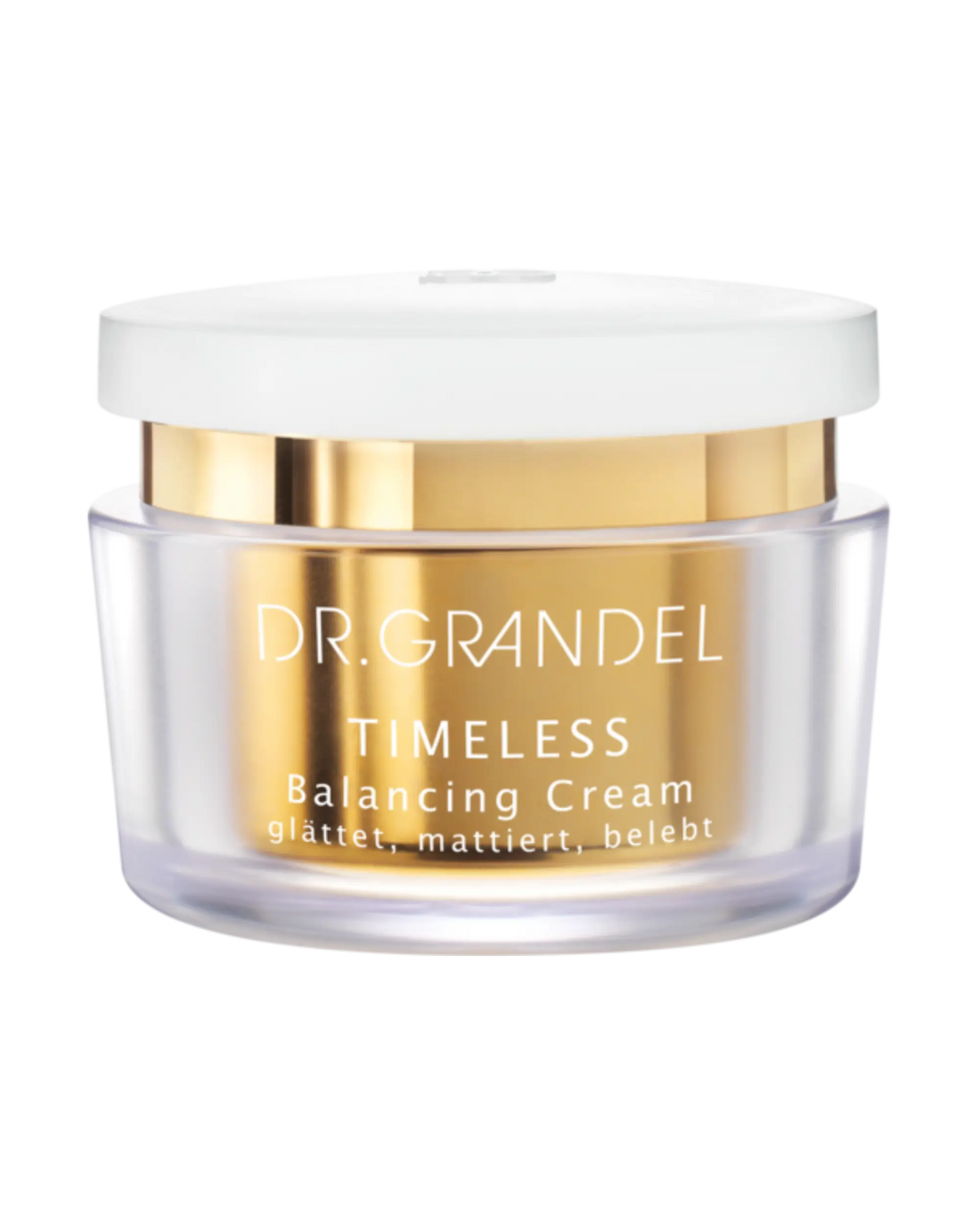 DR. GRANDEL balancing face cream for combination, oily skin TIMELESS BALANCING CREAM, 50 mlDR. GRANDEL balancing face cream for combination, oily skin TIMELESS BALANCING CREAM, 50 ml
- Regular price
-
€66,90 - Regular price
-
- Sale price
-
€66,90
Quick view
-
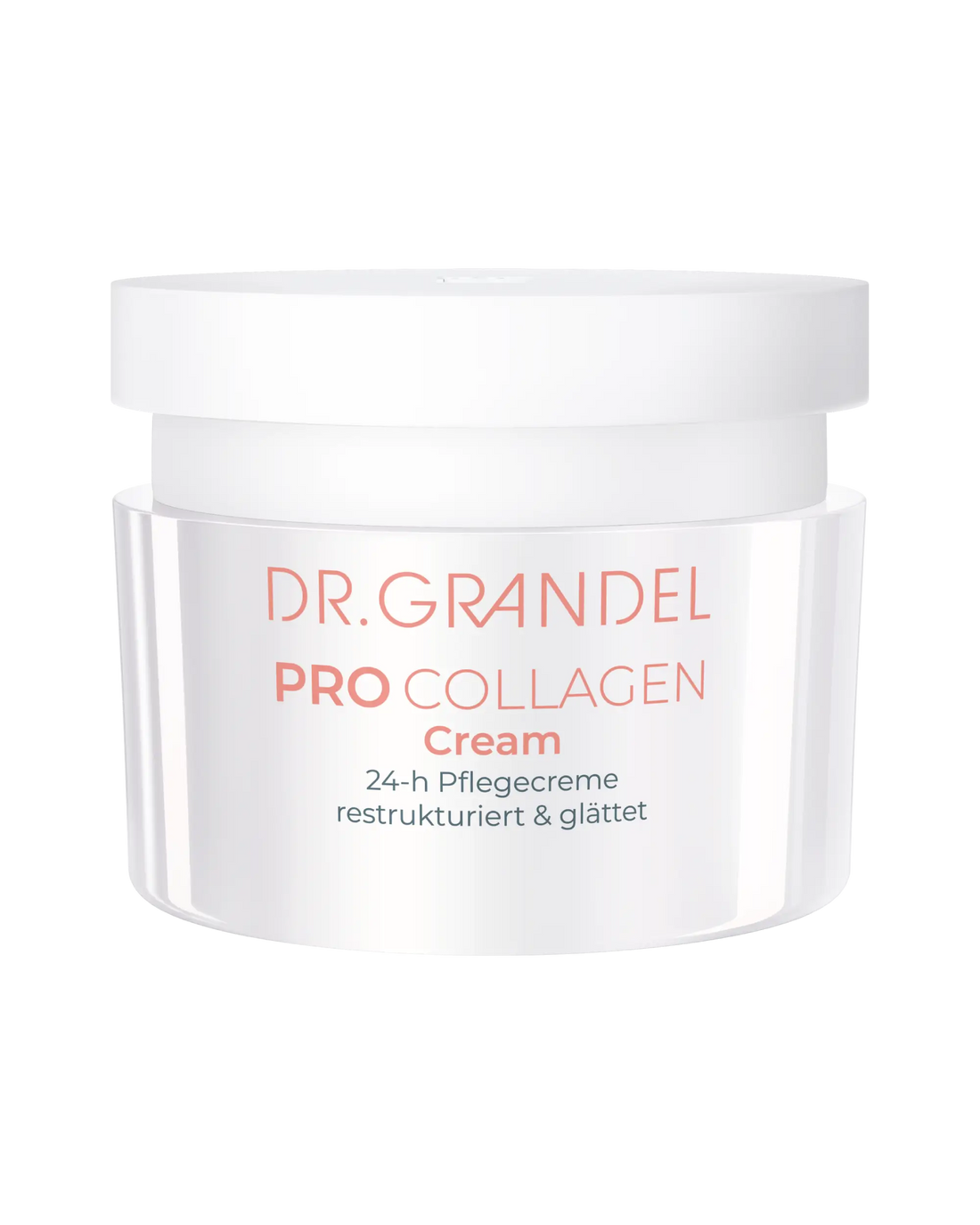 DR. GRANDEL nourishing face cream PRO COLLAGEN CREAM, 50 mlDR. GRANDEL nourishing face cream PRO COLLAGEN CREAM, 50 ml
- Regular price
-
€37,43 - Regular price
-
€49,90 - Sale price
-
€37,43
Quick view
-
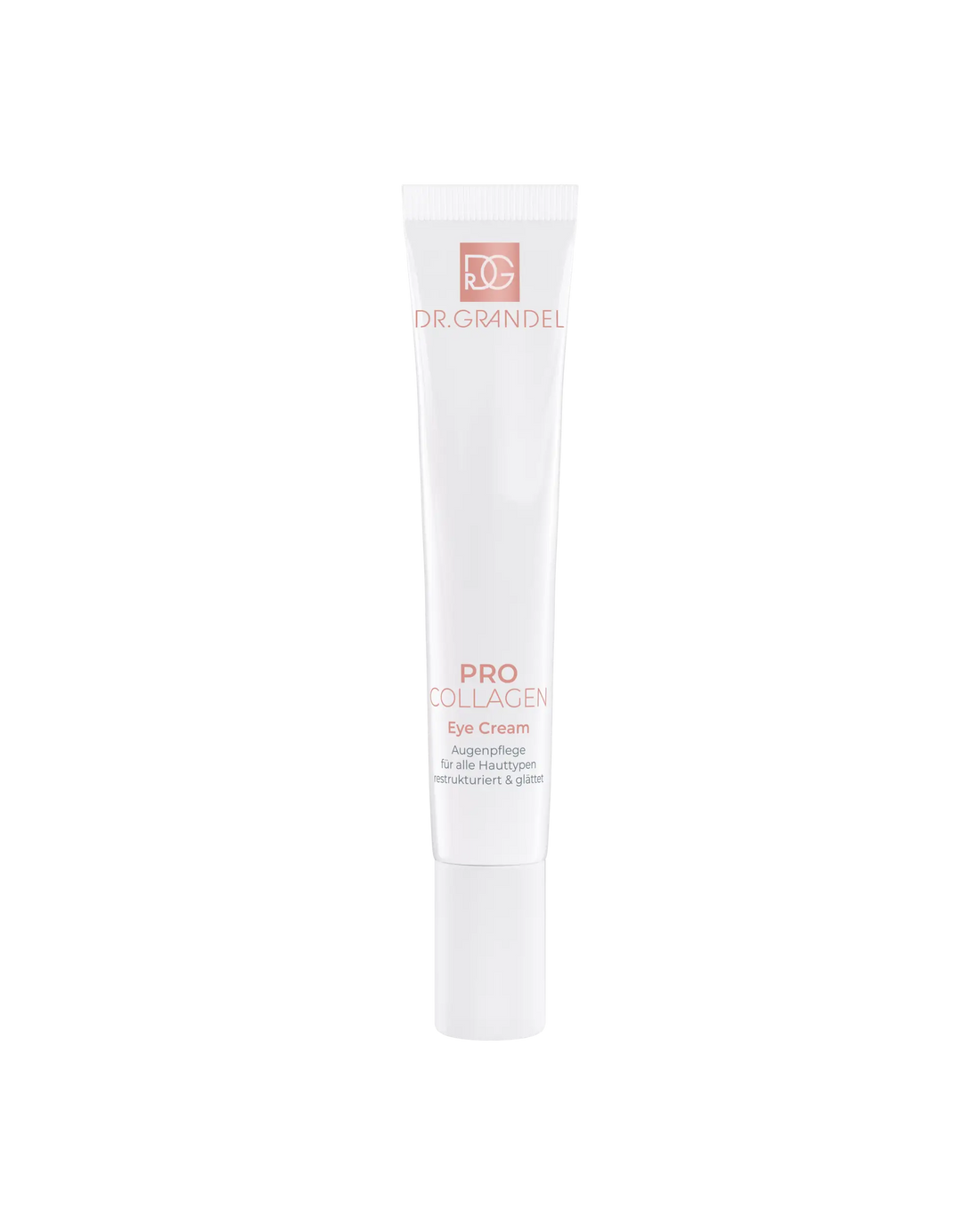 DR. GRANDEL eye contour cream PRO COLLAGEN EYE CREAM, 20 mlDR. GRANDEL eye contour cream PRO COLLAGEN EYE CREAM, 20 ml
- Regular price
-
€25,43 - Regular price
-
€33,90 - Sale price
-
€25,43
Quick view
